
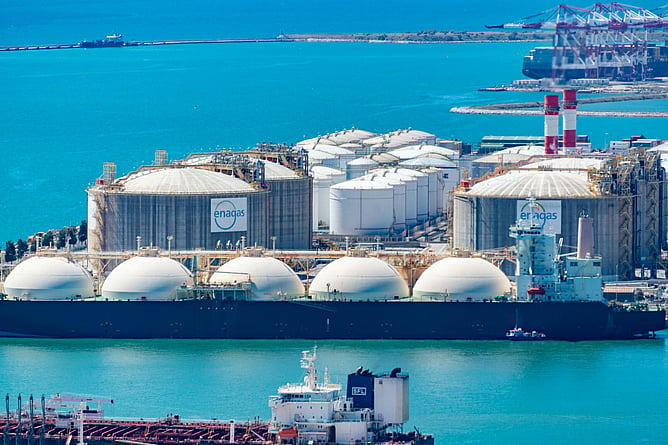
Breaking the Grip of Gas: What the UK’s Energy Reforms Mean for Businesses - and Why Interest Rates Are Caught in the Crossfire
For years, British households and businesses have lived with an uncomfortable truth: even as the country has expanded its renewable energy capacity, electricity prices have remained stubbornly tied to the global gas market. When international gas prices surge - whether due to conflict, supply disruption or geopolitical tension - UK electricity bills rise in tandem.
Now, the Government has announced what it describes as “decisive action” to break this link. At the same time, BBC News reporting provides a more cautious, analytical lens on what these reforms may achieve and how quickly their effects will be felt.
Taken together, these two sources offer a clear picture of a country attempting to stabilise its energy system, shield consumers from global shocks, and - crucially - tackle one of the hidden drivers of inflation and rising interest rates.
This blog brings these strands together in a clear analysis, and explains what it all means for business owners navigating a volatile economic landscape.
The Problem: Why Gas Still Dictates Electricity Prices
The Government’s announcement in April, makes the central issue plain: although Britain now generates a significant share of its electricity from renewables and nuclear, around one‑third of the system remains exposed to wholesale prices set by gas.
Historically, gas has set the marginal price of electricity up to 90% of the time. Even today, the Government notes this figure has only fallen to around 60%, and is projected to drop to 50% by 2030.
BBC News reinforces this point, explaining that the UK’s electricity market is structured so that the last (and usually most expensive) generator needed to meet demand sets the price for everyone. In practice, this is often a gas‑fired power station.
This creates a structural mismatch:
Renewable energy is often cheaper to produce
But consumers pay a price shaped by gas
Global instability - such as conflict in the Middle East - pushes up gas prices
Electricity bills rise even when renewables are plentiful
The Government describes this as an “unfair” system that leaves families and businesses “exposed to volatile global gas markets”.
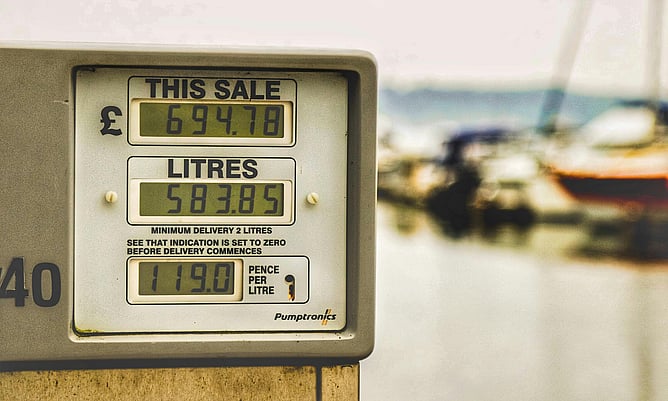
The Wider Economic Impact: Inflation and Interest Rates
BBC News highlights a crucial consequence: energy prices have been a major driver of inflation, which reached around 3.3% in early 2026.
Higher energy costs feed through the economy in predictable ways:
Businesses face rising operating costs
Prices increase across supply chains
Consumer spending power falls
Inflation rises
The Bank of England responds with higher interest rates
This is why energy policy is no longer a niche technical matter - it is now directly shaping the cost of borrowing, investment decisions, and the financial resilience of businesses.
The Government’s Plan: Breaking the Link Between Gas and Electricity
The Government’s reforms are ambitious and wide‑ranging. They fall into three main categories.
1. Voluntary Long‑Term Fixed‑Price Contracts for Renewables
The centrepiece of the reforms is the introduction of Wholesale Contracts for Difference (WCfDs) - voluntary long‑term fixed‑price contracts offered to existing low‑carbon generators not already on fixed‑price arrangements.
According to the Government:
These contracts will cover around one‑third of Britain’s power supply
They will protect consumers from gas‑linked price spikes
They will only be offered where they represent “clear value for money”
In effect, this is an attempt to stabilise electricity prices by ensuring more of the system operates on predictable, fixed‑rate contracts rather than volatile wholesale markets.
BBC News notes that this approach mirrors the success of earlier Contracts for Difference used for new renewable projects, which have helped drive down the cost of offshore wind.
2. Increasing the Electricity Generator Levy (EGL)
The Government is taking immediate action to tax what it calls “excess profits” made by electricity generators during periods of high gas prices.
The EGL will rise from 45% to 55%
Its duration will be extended
The aim is to ensure more of the extraordinary revenue generated during gas price spikes is available to support households and businesses
Chancellor Rachel Reeves argues that this measure will help “break the link between high gas prices and high electricity prices”.
BBC News notes that while this may raise significant revenue, it also risks creating uncertainty for investors - something the Government will need to manage carefully.
3. Accelerating Clean Energy and Infrastructure
The Government’s announcement includes a sweeping package of measures designed to speed up the transition to clean, homegrown energy. These include:
Unlocking public land for solar and wind projects
Streamlining planning rules to accelerate grid upgrades
Expanding rooftop solar on schools and colleges
Increasing grants for households using heating oil or LPG
Supporting heat pump manufacturing with £90 million in funding
Improving EV charging infrastructure through new permitted development rights
The Government argues that these measures will reduce reliance on fossil fuels, strengthen energy security, and lower bills over time. However, the benefits will take time to materialise.
A More Cautious Interpretation
While the Government’s announcement is confident and forward‑looking, BBC News provides a more measured assessment.
Short‑Term Relief Is Limited
BBC reporting emphasises that:
Energy bills may remain high in the near term
Structural reforms take years to filter through
Businesses will continue to face cost pressures
This is consistent with broader economic analysis: breaking the link between gas and electricity is essential, but it cannot be achieved overnight.
Investment and Implementation Challenges
BBC News also highlights:
The need for significant investment in grid infrastructure
Potential delays in planning and connection processes
The importance of maintaining investor confidence
These are real obstacles. The Government’s reforms are bold, but their success depends on execution.
Why This Matters for Businesses
For business owners, the implications are clear.
1. Energy Costs Will Remain a Key Pressure Point
Even with reforms underway, global gas markets will continue to influence electricity prices for several years. Businesses should plan for continued volatility.
2. Interest Rates May Stay Higher for Longer
With inflation still above the Bank of England’s target, borrowing costs are unlikely to fall quickly. Energy‑driven inflation remains a central concern.
3. Long‑Term Stability Is the Goal
If the Government’s reforms succeed:
Energy price volatility should fall
Inflationary pressure should ease
Interest rates may stabilise
Businesses will benefit from greater predictability
But this is a long‑term trajectory, not an immediate fix.
A Turning Point for the UK Energy System
What is clear is that the UK cannot continue with a system where global gas prices dictate domestic electricity bills.
The Government’s reforms represent a structural shift - one that aims to deliver a more resilient, affordable and secure energy system. But the transition will take time, and businesses must navigate the interim period with care.
How ATN Partnership Can Support You
At ATN Partnership, we understand that rising energy costs, inflation and interest rates create real pressures for small and medium‑sized businesses. Our team can help you:
Forecast cashflow under different energy and interest rate scenarios
Review financing arrangements to ensure borrowing remains sustainable
Identify tax reliefs and incentives linked to energy efficiency and capital investment
Support strategic planning during periods of economic uncertainty
Advise on cost‑control measures tailored to your sector
As the energy landscape evolves, we are here to help you stay informed, resilient and financially secure.
If you would like to discuss how these reforms may affect your business, please get in touch with us at info@atnpartnership.co.uk or call 01474 326224.